What Credit Score Do You Need for a Business Loan?
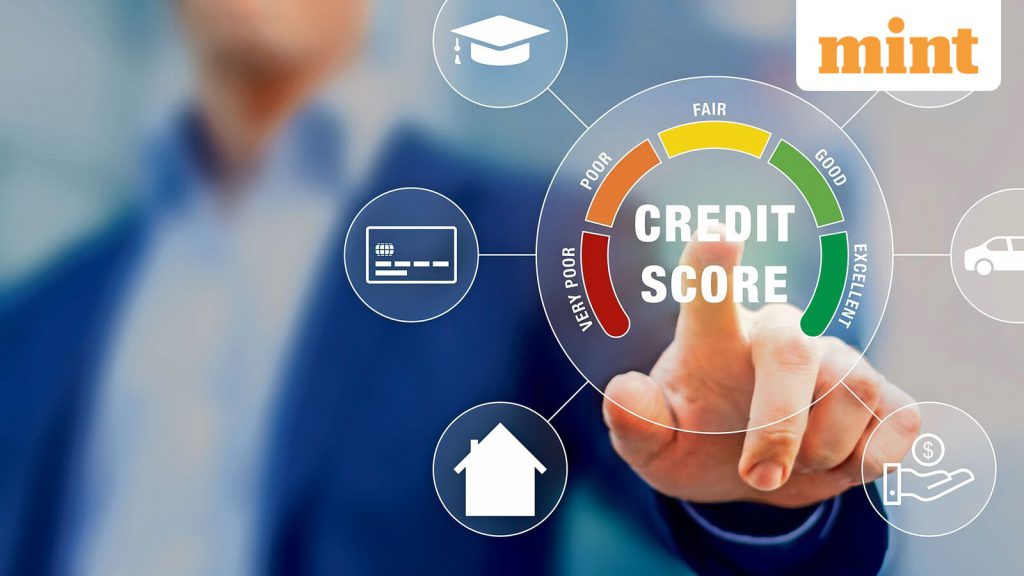
It is one of the first questions every owner asks, and the honest answer is that it depends on the lender and the product. Some business loan companies work with personal credit scores as low as 500. Banks and SBA lenders often want to see scores in the high 600s or above. Between those two ends sits a wide range of options, and knowing where you fall helps you apply in the right places and avoid unnecessary rejections.
This guide explains which credit scores lenders actually look at, the typical minimums for each type of business lending, what else can outweigh a weaker score, and practical steps to improve your chances, whether your credit is excellent, fair or still recovering from a difficult period.
Which credit scores do lenders check?
Most small business lenders look at the owner’s personal credit score first, usually a FICO score. That surprises some owners, but for small and young companies the owner’s personal track record is often the best evidence a lender has of how the business will handle debt. If your business has more than one owner, lenders typically check everyone with a significant ownership stake, often 20 or 25 percent or more.
Many lenders also look at business credit. Business credit bureaus track how your company pays suppliers, lenders and credit card accounts, and they produce their own scores. A strong business credit profile can help with larger loans, better terms and trade credit with suppliers, though for most small businesses the personal score still carries more weight in the initial decision.
It also helps to know which kind of credit check a lender runs. A soft check, often used for prequalification, does not affect your score. A hard check, usually run when you submit a full application, can lower your score by a few points for a short time. Ask each lender which type it uses before you share your details.
Typical credit score minimums by loan type
The table below shows the general ranges lenders tend to expect. Individual lenders vary, and a few will go lower or higher, but these ranges are a useful starting point.
| Type of financing | Typical minimum personal credit score |
|---|---|
| SBA 7(a) and 504 loans | Usually 650 to 690 or higher |
| Bank term loans and lines of credit | Often 680 or higher |
| Online term loans | Often 600 to 650 |
| Online lines of credit | Often 600 to 625 |
| Equipment financing | Often 550 to 650, since the equipment secures the loan |
| Invoice financing | Often flexible, since your customers’ credit matters more |
| Revenue based funding | Often 500 to 550 |
The pattern is consistent across commercial lending. The cheaper and longer the financing, the stronger the credit lenders expect. The faster and more flexible the product, the more lenders lean on revenue and cash flow instead.
What counts as good, fair and poor credit for a business loan?
Lenders do not all use the same labels, but a practical way to think about it looks like this. Scores of 700 and above are generally considered strong. They open the door to bank loans, SBA loans and the best online rates. Scores from roughly 640 to 699 are solid enough for most online lenders and some banks, especially with good revenue. Scores from 580 to 639 are usually considered fair; you will have fewer options and pay more, but many online and equipment lenders will still consider you. Scores below 580 limit you mainly to revenue based funding and a handful of specialist lenders, at a higher cost.
Your score is a starting point, not a final verdict. Two businesses with the same score can receive very different offers because of everything else in the file.
What can outweigh a lower credit score
Many owners with average credit are approved every day because other parts of their application are strong. These are the parts of an application that carry the most weight.
Revenue is the biggest. Lenders want to see enough money coming into your business bank account to cover the new payment comfortably. Many online lenders set a minimum monthly revenue, and steady, growing deposits can offset a weaker score. Time in business matters too. A company that has survived two or three years has proven something that a score alone cannot show.
Cash flow quality also counts. Lenders review bank statements for overdrafts, negative balances and how much is already going out to other lenders. Clean statements with a healthy average balance help. Collateral can make a big difference as well. Equipment financing works with lower scores precisely because the equipment secures the loan, and offering business assets can strengthen other applications.
Finally, the reason for a low score matters. A single medical event or a business setback from several years ago, followed by a clean recent history, is viewed very differently from a pattern of missed payments. If something specific damaged your credit, be ready to explain it briefly.
What lenders read beyond the number
A credit score is a summary, and underwriters often look at the report behind it. They pay close attention to recent payment history, because a late payment last month says more about today than one from five years ago. They look at how much revolving debt you carry compared with your limits, how many accounts were opened recently and whether there are collections, charge offs, tax liens or judgments. A recent bankruptcy is a hurdle for most lenders, though some will consider an application once a year or two has passed and the business shows strong revenue.
Lenders also look for consistency between your application and your records. If you state monthly revenue of $60,000 but your bank statements show deposits closer to $35,000, the mismatch can hurt more than a modest score. Accurate, well documented numbers build trust and often lead to better offers than an optimistic application that falls apart under review.
Personal guarantees and your credit
Most small business loans, including many SBA and online loans, require a personal guarantee from the owners. That means you promise to repay the debt personally if the business cannot. It is one of the reasons lenders care so much about your personal score, and it also means the loan can affect your personal credit if payments are missed.
Before signing, read the guarantee carefully and understand whether it is limited to a set amount or covers the full balance. A guarantee is standard practice in business lending and is not a reason to avoid borrowing, but it is a reason to borrow only what your business can comfortably repay. Making every payment on time, on the other hand, can strengthen both your business and personal credit profiles and open the door to lower cost financing on your next loan.
Business loan options by credit range
If your score is 700 or higher, start with banks, credit unions and SBA lenders, where the lowest rates live. Compare those offers with the best online lenders if speed matters, but you are in a strong position to negotiate.
If your score is between 620 and 699, most online term lenders and line of credit providers are within reach. Lenders such as OnDeck, which typically looks for scores around 625, can offer revolving credit lines and term loans with transparent pricing. SBA loans may still be possible with strong revenue and collateral.
If your score is between 550 and 619, focus on lenders that weigh revenue heavily. Equipment financing, invoice financing and online working capital products are realistic. Our top ranked lender, Fundivi, lists a minimum of 500 and gives as much weight to monthly revenue as to credit, which makes it a strong fit for established businesses with uneven credit histories. Fora Financial and Credibly also publish minimums around 500.
If your score is below 550, revenue based funding is usually the most accessible option. It can be useful for short, specific needs, but costs are higher, so borrow only what you need and focus on repairing credit so you can move to cheaper financing next time.
You can check which lenders list minimums you meet in under a minute with the eligibility tool on our best rated lenders page.
How to improve your chances before you apply
A few weeks of preparation can change the offers you receive. Start by checking your personal credit reports for errors. Mistakes such as accounts that are not yours or payments wrongly marked late are more common than many people think, and disputing them can raise a score quickly.
Next, lower your credit utilization. Paying down personal credit card balances so they sit well below their limits is one of the fastest ways to improve a score. Avoid opening new personal credit in the months before you apply, since new accounts and hard inquiries can pull a score down temporarily.
Strengthen your business bank statements too. Lenders review the last three to six months, so avoid overdrafts, keep a steady balance and run all business income through one dedicated business account. If possible, wait to apply until after a strong month rather than a slow one.
Finally, start building business credit if you have not already. Register your business with the main business credit bureaus, open a business credit card or trade accounts with suppliers that report payments, and pay every bill on time. Over time, a strong business profile reduces how much lenders rely on your personal score.
Should you apply now or wait?
If you need the money for a genuine opportunity or an emergency, applying now with a lender that fits your current credit can make sense, especially if the term is short and the cost is clear. Many owners use a smaller, higher cost loan to solve an immediate problem, repay it on time and then qualify for better terms later.
If the need is not urgent and your score is close to a threshold, such as 620 or 680, a few months of focused improvement can move you into a cheaper category and save real money. Compare the cost of waiting with the cost of borrowing now, and choose the option that leaves your business in the stronger position.
If you do borrow now at a higher cost, plan your exit. Ask whether the loan can be refinanced or paid off early without a penalty, set a reminder to check your score again in six months, and once it has improved, compare offers again. Many owners move from a revenue based product to a term loan or line of credit within a year or two simply by paying on time and keeping clean bank statements.
A note on credit and safety
Be cautious of any company that promises guaranteed approval regardless of credit or asks for an upfront fee to improve your chances. Legitimate lenders evaluate risk and never need payment before approval. Every lender in our approved lenders directory has passed a review of pricing transparency, contracts and borrower treatment, so you can apply with confidence.
Frequently asked questions
What is the minimum credit score for a business loan?
Some online lenders consider scores as low as 500, usually for revenue based funding or working capital. Banks and SBA lenders typically expect scores in the high 600s or above.
Can I get a business loan with bad credit?
Yes, though options are narrower and costs are higher. Lenders that focus on revenue, equipment financing and invoice financing are the most realistic routes, and strong monthly revenue helps a lot.
Does my business credit score matter more than my personal score?
For most small businesses the personal score carries more weight, especially when the company is young. Business credit grows in importance as the business ages and borrows larger amounts.
Will applying for a business loan lower my credit score?
A soft check for prequalification does not affect your score. A hard check during a full application can lower it by a few points for a short period. Ask lenders which they use.
What credit score do I need for an SBA loan?
SBA rules do not set one fixed minimum, but most SBA lenders look for scores of roughly 650 to 690 or higher, along with solid revenue, time in business and often collateral.
Business Loans Companies is a comparison site, not a lender. Credit requirements shown here are typical ranges, and each lender sets and applies its own criteria.
About this guide
Written by the Business Loans Companies research desk. We study business loan companies, their pricing and their contracts so owners can compare options clearly. Rates and terms change, so confirm current details with any lender before you apply.